Premium flight training Melbourne

Not all flight training experiences are the same. You can work towards the same Australian pilot licence through very different aircraft, instructors, facilities and training environments. That is where the idea of premium flight training in Melbourne comes in. Premium flight training is not a separate pilot licence or CASA classification. The underlying standards you need to meet remain the same. The difference is how the training is delivered and what the experience around that training looks like. A premium flight-training program may include:
  • Modern aircraft
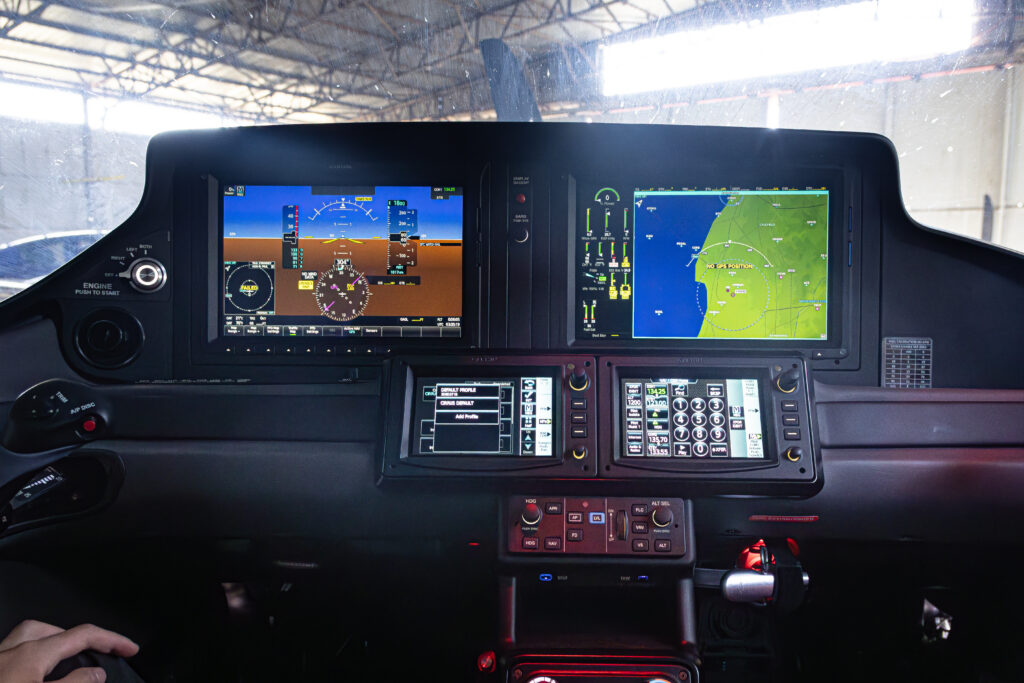
  • Glass-cockpit avionics
  • Advanced safety systems
  • Specialist or factory-authorised instructors
  • Personalised training plans
  • Simulator integration
  • Flexible scheduling
  • High-quality training facilities
  • Greater instructor continuity
  • A higher level of individual support
For some students, these features may not be particularly important. Their priority may simply be finding a good instructor and working towards their licence in a straightforward training aircraft. For others, the aircraft and training environment are a major part of the reason they want to learn to fly. They may want to train in a modern aircraft such as a Cirrus SR20 or SR22, learn glass-cockpit avionics from the beginning, work with specialist instructors and follow a training pathway designed around the type of flying they eventually want to do. This is particularly relevant for private pilots who plan to continue flying technologically advanced aircraft after receiving their licence. Melbourne provides several different flight-training environments, with Moorabbin Airport forming one of Victoria’s major general aviation and flight-training hubs. The question, therefore, isn’t simply: “Where can I learn to fly in Melbourne?” It is: “If two students are working towards the same pilot licence, what makes one flight-training experience more premium than another?” The answer goes well beyond having a newer aeroplane.

What Is Premium Flight Training?

Premium flight training generally refers to a more personalised, technologically advanced and experience-focused approach to learning to fly. There is no separate “premium pilot licence”. Whether you train in a conventional trainer or a technologically advanced aircraft, you still need to meet the applicable standards for the licence or qualification you are working towards. What changes is the environment in which you develop those skills. A premium flight-training experience may combine:
  • Modern aircraft
  • Advanced avionics
  • Higher levels of cockpit technology
  • Specialist instruction
  • Personalised training
  • Structured progression
  • Simulator access
  • Flexible scheduling
  • Quality facilities
  • Greater attention to the overall student experience
The important word here is combine. Premium training should not simply mean putting a student in an expensive aircraft. The aircraft may be an important part of the experience, but so are the instructor, training plan, scheduling, facilities, technology and support surrounding each flight. For example, a student might train in a modern glass-cockpit aircraft while also using simulators to practise procedures, working with instructors who specialise in that aircraft and following a training program built around their long-term flying objectives. That creates a very different training experience from simply booking individual flying lessons as required. Is “Premium Flight Training” a CASA Classification? No. “Premium” describes the training experience, not a separate regulatory category of pilot licence. The standards required for the relevant licence or qualification still apply. A premium provider cannot lower those standards, skip required competencies or make the licence easier to obtain. Instead, the difference is found in areas such as: what you fly, who teaches you, what technology you use and how the training program is delivered.

What Makes Flight Training Premium?

There is no single feature that makes a flight school premium. A new aircraft does not automatically create a premium training experience, just as a large facility does not automatically mean the instruction will be better. It is the combination of several elements that creates the overall experience.
  1. Modern Aircraft
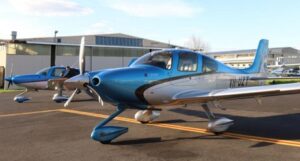
Aircraft are one of the most visible differences. Premium training providers may operate modern or technically advanced aircraft such as the Cirrus SR20 and SR22 or other contemporary glass-cockpit aircraft. Depending on the aircraft, students may be introduced to:
  • Integrated glass displays
  • GPS navigation
  • Autopilot
  • Flight director systems
  • Advanced engine monitoring
  • Integrated aircraft systems
  • Modern safety features
This gives students experience managing both the aircraft itself and the technology available to the pilot.
  1. Advanced Avionics
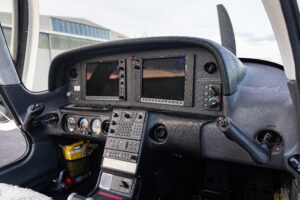
Modern avionics change the cockpit considerably. Instead of learning exclusively through conventional analogue instrumentation, students may begin working with integrated displays providing information about:
  • Flight instruments
  • Navigation
  • Engine performance
  • GPS position
  • Flight planning
  • Traffic or weather information where equipped
  • Autopilot and automation
The objective is not simply to teach someone which buttons to press. Students need to understand when to use automation, when not to use it and what the aircraft is actually doing.
  1. Specialist Instructors
Premium training can also involve instructors with specialist experience or qualifications relevant to the aircraft being flown. For example, aircraft-specific training may involve instructors who have completed additional standardisation or manufacturer-backed training. This becomes particularly relevant when the student is learning in an aircraft with advanced avionics, automation or aircraft-specific safety systems. The instructor is not simply teaching general flying skills. They are also helping the student understand how to operate that particular aircraft effectively.
  1. Personalised Training
Not every student begins flight training for the same reason. One person may want to fly recreationally. Another may want to travel around Australia privately. Another may be preparing to purchase an aircraft. Someone else may be pursuing aviation professionally. A premium approach should recognise those differences. Rather than treating every student as though they have exactly the same destination, the training can be planned around:
  • Individual goals
  • Previous experience
  • Intended aircraft
  • Training frequency
  • Available time
  • Future qualifications
  • Long-term flying plans
The licence may be the immediate objective, but it does not necessarily need to be the final objective.
  1. Facilities and Technology
The training experience also extends beyond the aircraft. Premium facilities may include:
  • Dedicated briefing areas
  • Theory facilities
  • Simulator access
  • Modern flight-operations areas
  • Training technology
  • Convenient airside access
  • Appropriate aircraft support infrastructure
These facilities do not automatically make someone a better pilot. What they can do is create an environment where practical flying, theory, simulation and preparation can work together more effectively.
  1. Service and Training Experience
Finally, there is the service surrounding the training itself. This may include:
  • Clear onboarding
  • Individual communication
  • Training-pathway planning
  • Flexible scheduling
  • Instructor coordination
  • Progress reviews
  • Consistent support
  • Planning beyond the immediate licence
This is where the idea of boutique or concierge-style flight training becomes relevant. The standards do not change. The difference is the level of organisation and personalisation around the student. Ultimately, premium flight training is not one feature. It is the combination of aircraft, technology, instruction, personalisation and service that creates the overall experience.

Premium Aircraft vs Traditional Training Aircraft

One of the biggest decisions when choosing flight training is the aircraft itself. For decades, pilots have successfully learned to fly in relatively simple training aircraft. Those aircraft remain perfectly capable of teaching the fundamental skills required to become a safe and competent pilot. Premium training often takes a different approach by introducing students to modern or technically advanced aircraft earlier in their training.
Area Traditional Training Aircraft Premium/Modern Training Aircraft
Cockpit Often conventional or simpler Modern glass cockpit
Navigation May use simpler systems Integrated avionics
Automation Often more limited Greater automation
Aircraft systems Generally simpler Potentially more advanced
Training focus Core flying fundamentals Fundamentals plus systems management
Future transition Depends on intended aircraft May provide continuity into modern GA aircraft
The key difference isn’t that one produces good pilots and the other doesn’t. Both can. The difference is what else the student learns while developing those fundamental flying skills. A student learning in a technologically advanced aircraft still needs to learn how to:
  • Control the aircraft
  • Maintain airspeed and altitude
  • Take off
  • Land
  • Navigate
  • Communicate
  • Manage emergencies
  • Make appropriate decisions
But they may also be learning how to manage:
  • Integrated avionics
  • GPS navigation
  • Autopilot
  • Flight director systems
  • Aircraft automation
  • More advanced aircraft systems
That additional layer changes the training environment. Does a More Expensive Aircraft Mean Better Training? Not necessarily. Aircraft are only one part of the equation. A highly experienced instructor teaching in a simple aircraft can provide outstanding flight training. Likewise, putting a student into a modern aircraft without appropriate instruction, structure or systems knowledge does not automatically create a premium experience. The more useful question is: Does this aircraft make sense for the type of flying I want to do after receiving my licence?

What Is a Technically Advanced Aircraft?

A technically advanced aircraft, often shortened to TAA, generally refers to an aircraft equipped with more sophisticated avionics and systems than a conventional basic trainer. From a student’s perspective, the most noticeable difference is usually the cockpit. Rather than relying primarily on separate conventional instruments, a modern aircraft may present much of its flight and navigation information through integrated digital displays. Depending on the aircraft, students may be exposed to:
  • Glass cockpit displays
  • GPS navigation
  • Integrated flight planning
  • Autopilot
  • Flight director systems
  • Engine monitoring
  • Integrated aircraft systems
  • Automation management
This means the student is learning two things simultaneously. First, they need to learn how to fly the aeroplane. Second, they need to learn how to manage the technology available inside it. That distinction becomes increasingly important as pilots move into modern general aviation aircraft. Technology can reduce workload when used correctly. But if the pilot does not understand the system, automation can also create confusion. For that reason, good technically advanced aircraft training should teach students not only how to operate avionics but also when to use them, how to monitor them and when to return to fundamental manual flying. Is a Technically Advanced Aircraft Harder to Learn In? Not necessarily. There are more systems to understand, but that does not mean a beginner cannot learn in a technically advanced aircraft. A student starting from zero does not have to master every system during their first lesson. Training is progressive. Early flights can still focus on fundamental aircraft control. As the student’s capacity increases, the instructor can progressively introduce:
  • Navigation systems
  • Flight planning
  • Autoppilot use
  • Automation
  • Advanced avionics
  • Systems management
In some ways, a student who begins in a modern cockpit also has an advantage: they do not need to unlearn an older cockpit workflow before adapting to the technology later. Whether that matters depends largely on what they intend to fly after completing their licence.

Cirrus SR20 and SR22 Flight Training

The Cirrus SR20 and SR22 are strong examples of the type of aircraft commonly associated with premium general aviation flight training. Rather than approaching the aircraft simply as a platform for obtaining a licence, Cirrus training introduces students to a broader modern operating environment. Depending on the aircraft generation and configuration, that can include:
  • Garmin Perspective or Perspective+ avionics
  • Integrated glass cockpit displays
  • GPS navigation
  • Autopilot
  • Flight director
  • Engine monitoring
  • Aircraft automation
  • Cirrus Airframe Parachute System (CAPS)
  • Aircraft-specific systems management
The result is a training environment that combines traditional flying fundamentals with modern cockpit management. Students still need to learn the same fundamental skills: Fly the aircraft. Maintain control. Look outside. Navigate. Communicate. Make good decisions. The technology sits on top of those fundamentals. Why Learn to Fly in a Cirrus? There are several reasons someone might deliberately choose Cirrus flight training rather than transitioning into the aircraft later. You Plan to Fly a Cirrus After Receiving Your Licence If the aircraft you ultimately want to fly is an SR20 or SR22, learning within the Cirrus environment from the beginning can provide continuity. You progressively develop familiarity with the aircraft, cockpit and operating philosophy while developing your general flying skills. You Want Modern Avionics From the Beginning Learning with glass cockpit avionics from your early training means those systems become part of your normal cockpit environment. Rather than receiving your licence and then learning an entirely new avionics workflow, you already have experience operating within a modern integrated cockpit. You Value Integrated Safety Systems Cirrus aircraft are particularly well known for CAPS — the Cirrus Airframe Parachute System. But simply having CAPS fitted to an aircraft is not the same as understanding when and how it should be used. Cirrus-specific training incorporates the system into broader pilot decision-making and emergency training. You Want Technically Advanced Aircraft Experience Students interested in modern private aviation may value learning how to manage:
  • Automation
  • Advanced navigation
  • Integrated avionics
  • Aircraft systems
  • Higher cockpit workload
  • Scenario-based decision-making
These skills can become increasingly relevant as the pilot progresses into more capable aircraft and advanced training. You Prefer a Structured Cirrus Training Environment Cirrus has developed its own training ecosystem around its aircraft. For students who specifically intend to continue flying Cirrus aircraft, that structured approach can be an important part of choosing where and how they train. Ultimately, learning in a Cirrus is not necessary to become a good pilot. But for someone who wants to fly modern general aviation aircraft — and particularly someone who expects Cirrus to form part of their future flying — it can create a logical training pathway: Learn the fundamentals → develop as a pilot → learn the technology → build aircraft-specific proficiency → continue flying within the same ecosystem.  

What Is CAPS?

One of the most recognisable features of Cirrus aircraft is CAPS — the Cirrus Airframe Parachute System. CAPS is a whole-airframe ballistic parachute system designed to provide another emergency option in specific situations. It forms part of the broader Cirrus safety philosophy, but it should not be thought of as a substitute for normal piloting skills or emergency training. A pilot still needs to know how to:
  • Maintain aircraft control
  • Manage engine failures
  • Handle abnormal situations
  • Make sound decisions
  • Prioritise workload
  • Use conventional emergency procedures
CAPS adds another decision-making tool to that framework. In Cirrus-specific training, the focus is therefore not simply on knowing that the parachute exists. Students also need to understand:
  • When deployment may be appropriate
  • How the system is activated
  • The limitations associated with its use
  • How CAPS fits into broader emergency decision-making
That is why CAPS training is an important part of learning to fly a Cirrus properly. Does CAPS Replace Normal Emergency Training? No. A pilot should never treat CAPS as a reason to ignore conventional emergency procedures. Good Cirrus training develops both. You learn how to manage the aircraft conventionally while also understanding when CAPS may form part of the safest available response. The value comes from having another option and knowing how to use it appropriately.

What Is a Cirrus Authorised Training Centre?

A Cirrus Authorised Training Centre operates within the broader Cirrus training ecosystem. The purpose of this type of training is to create greater standardisation in the way pilots are introduced to Cirrus aircraft, systems and operating philosophy. That can include emphasis on:
  • Cirrus-specific aircraft systems
  • Modern avionics
  • Automation
  • CAPS
  • Scenario-based decision-making
  • Aircraft-specific procedures
  • Standardised training methods
  • Long-term proficiency
For someone who knows they want to fly Cirrus aircraft, that can create a more structured pathway than simply learning in a generic training environment and transitioning later. What Is a CSIP? A CSIP is a Cirrus Standardized Instructor Pilot. A CSIP has completed additional Cirrus-specific training and standardisation focused on the SR-series aircraft and Cirrus operating philosophy. That can be valuable for students because the instructor is not only teaching general flying skills. They are also teaching:
  • Cirrus systems
  • Cirrus avionics
  • Automation management
  • CAPS decision-making
  • Aircraft-specific procedures
  • Cirrus-style scenario-based training
For a future Cirrus pilot, that specialist knowledge can make the training more relevant to the aircraft they ultimately want to fly.

Does Factory-Authorised Training Matter?

It can matter, but not for every student in exactly the same way. A good instructor in a well-run flight school can provide excellent pilot training without being part of a manufacturer-authorised program. Factory-authorised training becomes particularly relevant when the student wants aircraft-specific knowledge and standardisation. That may be especially useful for:
  • Current Cirrus owners
  • Future Cirrus buyers
  • Pilots transitioning into Cirrus
  • Students learning from zero in Cirrus
  • Pilots who want structured aircraft-specific training
The distinction is useful. Good flight instruction teaches you how to become a safe and competent pilot. Factory-backed aircraft-specific instruction adds another layer focused on how to operate a particular aircraft, its systems and its safety philosophy. Those two things are not in competition. In a premium training environment, ideally they work together.

Premium Flight Instructors: What Should You Look For?

Aircraft attract attention, but the instructor has an enormous influence on the quality of your training. A premium aircraft with poor instruction is still poor training. When comparing instructors, look beyond total flight hours alone. Important factors include:
  • Instructor experience
  • Experience on the aircraft you will actually fly
  • Instructor grade where relevant
  • Specialist qualifications
  • Aircraft-specific standardisation
  • Communication skills
  • Teaching ability
  • Instructor continuity
  • Ability to adjust training to your needs
A good instructor should be able to explain not only what you are doing but also why. They should be able to identify where you are struggling, change the way an exercise is explained and give you a clear idea of what you need to improve before the next lesson. Does the Most Experienced Instructor Automatically Mean the Best Instructor? No. Experience is valuable, but teaching ability matters just as much. An instructor may have an impressive logbook but still not be the right fit for a particular student. A premium training experience should ideally combine: technical expertise + strong teaching + aircraft knowledge + continuity If you can work consistently with instructors who understand your goals and training history, that can improve the overall quality of the experience.

Personalised Flight Training

One of the clearest differences between a standardised high-volume model and a more premium training experience is personalisation. Not every student has the same goal. A good training program should recognise that. Personalised flight training may begin with a discussion around:
  • Why you want to fly
  • What licence you want
  • What aircraft you eventually want to operate
  • How often you can train
  • Whether you are flying privately or professionally
  • Whether aircraft ownership is part of the plan
  • Which advanced qualifications may matter later
From there, the training pathway can be adjusted accordingly. That may affect:
  • Aircraft choice
  • Training frequency
  • Instructor allocation
  • Theory progression
  • Simulator use
  • Navigation planning
  • Long-term ratings
What Does a Tailored Training Plan Look Like? A recreational student may follow: Experience Flight → RPL → Local Flying → Continued Proficiency A private touring student may follow: Experience Flight → RPL/PPL → Navigation → Touring → Advanced Training A future Cirrus owner may follow: PPL → Cirrus-Specific Training → Proficiency → Touring → Instrument Progression A career student may follow: PPL → CPL → Instrument/Multi-Engine → Additional Professional Qualifications The value of personalisation is that the licence becomes one step in a broader plan rather than the only thing being considered.

Boutique Flight School vs Large Flight Academy

Premium flight training can exist in both boutique schools and large academies. The experience, however, may feel very different.
Factor Boutique Training Large Flight Academy
Training style Often more personalised Often more highly structured
Student volume Typically smaller Typically larger
Scheduling May be more flexible Program dependent
Instructor relationship Potentially greater continuity Larger instructor pool
Career structure Depends on provider Often more formalised
Overall experience Individual-focused Program-focused
A boutique environment may appeal to someone who values:
  • Personal communication
  • Instructor continuity
  • Flexible scheduling
  • Individualised planning
  • Aircraft-specific training
A larger academy may appeal to someone who wants:
  • Highly structured timetables
  • Larger instructor resources
  • Formal career programs
  • Standardised progression
  • Full-time study
Which Training Model Is Better? Neither is automatically better. The right model depends on what you value most. Ask yourself:
  • Do I want flexibility?
  • Do I want a full-time career program?
  • Is instructor continuity important?
  • Which aircraft do I want to fly?
  • Do I prefer a smaller training environment?
  • How much structure do I want?
Premium means different things to different students. For one pilot it may mean a highly personalised boutique experience. For another it may mean a structured career academy with advanced aircraft and simulators.

What Does Concierge Flight Training Mean?

The term concierge flight training is sometimes used to describe a more personalised, service-oriented approach to learning to fly. The idea is that the student experience is managed more closely from the first enquiry through to the licence and beyond. That can include:
  • Personalised onboarding
  • Goal setting
  • Training pathway planning
  • Flexible scheduling
  • Individual communication
  • Instructor coordination
  • Aircraft-specific support
  • Progress reviews
  • Planning for the next qualification
The important point is that concierge training should be about service and organisation, not lower standards. What Concierge Training Should Not Mean It should not mean:
  • Easier assessments
  • Lower competency standards
  • Skipping required training
  • Avoiding difficult exercises
  • “Buying” a licence
The student still needs to meet the same required standard. The difference is that the process around the training is more organised, personalised and supportive.

Premium Facilities and Training Environment

Flight training does not happen only in the aircraft. A significant amount of learning happens before and after each flight. Premium facilities can support that process. Depending on the provider, facilities may include:
  • Operations areas
  • Briefing rooms
  • Theory classrooms
  • Simulator facilities
  • Airside access
  • Aircraft parking
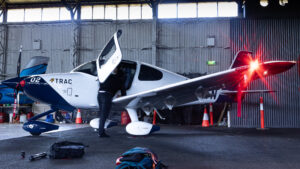
  • Hangars
  • Maintenance support
  • Student planning areas
The goal is to create an environment where: briefing, flying, theory, simulation and debriefing work together. Do Better Facilities Make You a Better Pilot? Not automatically. A good instructor in a modest facility can still provide excellent training. Facilities are valuable when they improve the process. They can make it easier to:
  • Prepare properly
  • Conduct detailed briefings
  • Use simulators
  • Integrate theory
  • Review flights
  • Stay organised
  • Move efficiently between training activities
Premium facilities should support better training rather than simply look impressive.

How Important Is Simulator Training?

Simulator training can be an important part of a premium flight-training program. It is particularly useful when the objective is to practise procedures rather than simply accumulate airborne time. Simulators can be used for:
  • Avionics
  • Navigation
  • Instrument scans
  • Emergency procedures
  • Automation
  • Radio procedures
  • Scenario-based training
  • Repetition
  • Workload management
One of the biggest benefits is repeatability. If you make a mistake in a simulator, the instructor can pause the exercise, discuss what happened and run the same scenario again. That can be much harder to reproduce efficiently in an aircraft. Why Practise Some Scenarios in a Simulator? Some situations are easier, safer or more efficient to demonstrate in simulation. For example:
  • Instrument procedures
  • Complex avionics sequences
  • Emergency scenarios
  • Automation failures
  • Navigation procedures
The simulator allows the student to concentrate on the learning objective without needing to manage every real-world limitation of the flight. Does Simulator Training Replace Flying? Not automatically. Simulator credit depends on:
  • The device
  • The course
  • The qualification
  • Applicable regulatory requirements
The best way to think about simulation is as a training multiplier. It can make some types of learning more efficient, but it does not replace the need to develop real aircraft handling skills.

Modern Avionics Training

Modern aircraft can contain far more technology than traditional basic trainers. Students may learn to operate:
  • Glass cockpit displays
  • GPS navigation
  • Flight planning systems
  • Autopilot
  • Flight director
  • Integrated engine monitoring
  • Automation
  • Aircraft systems
Learning these systems early can be valuable for someone who expects to continue flying technologically advanced aircraft. The goal, however, is not to become dependent on automation. Good avionics training should teach the pilot to understand:
  • What the system is doing
  • Why it is doing it
  • What mode is selected
  • What will happen next
  • When intervention is required
Why Learn Automation Early? Potential advantages include:
  • Familiarity
  • Better cockpit workflow
  • Correct habits
  • Understanding system limitations
  • Better automation management
  • Greater continuity into advanced aircraft
But the principle should always remain: Automation should support fundamental flying skills, not replace them. A pilot still needs to be able to manually control the aircraft, recognise when automation is not doing what was expected and take over when necessary.

Premium RPL Training

Premium training can begin from the very first stages of learning to fly. A recreational pathway may look like: Introductory Experience → Fundamentals → Circuits → Solo → RPL The underlying RPL outcome may be the same, but the surrounding experience can be different. Premium elements might include:
  • Modern aircraft
  • Glass cockpit avionics
  • Personalised instruction
  • Simulator support
  • Structured theory
  • Flexible scheduling
  • Greater instructor continuity
Is Premium RPL Training Worth It? That depends on what you plan to do after receiving the RPL. If your goal is simply to complete the licence and then fly basic training aircraft occasionally, you may not place much value on advanced avionics or aircraft-specific systems. If you intend to keep flying the same modern aircraft after your licence, however, training continuity can make more sense. The experience you develop while training remains directly relevant afterwards.

Premium PPL Training

The PPL stage is where premium aircraft and technology can become particularly relevant. Private pilots often begin moving beyond the immediate training area into:
  • Cross-country navigation
  • Longer trips
  • Private touring
  • More complex weather decisions
  • Advanced flight planning
  • Greater cockpit workload
A premium PPL pathway may incorporate:
  • Modern aircraft from early training
  • Glass cockpit avionics
  • Autopilot
  • Advanced navigation
  • Simulator integration
  • Scenario-based decision-making
  • Aircraft-specific training
  • Greater continuity into post-licence flying
Can You Complete Your Entire PPL in a Premium Aircraft? That depends on the flight school, aircraft and training program. Where the aircraft is approved and available for the required training, some students may complete their training within the same modern aircraft environment from early lessons through to licence completion. The important thing is to ask the school how the full pathway is structured. Why Aircraft Choice Matters for PPL Students By the time someone reaches PPL training, the question often becomes less about: “What is easiest to learn in?” and more about: “What do I actually want to fly afterwards?” If the answer is a modern touring aircraft, training in a similar environment can create useful continuity.

Premium CPL and Career Flight Training

For career-focused students, premium flight training can mean something different. A private pilot may associate premium with:
  • Boutique service
  • Personalisation
  • Modern aircraft
  • Flexible scheduling
A commercial student may place more value on:
  • Structured training
  • Full-time programs
  • Advanced aircraft
  • Multi-engine training
  • Instrument training
  • Simulator access
  • Experienced instructors
  • Professional facilities
  • Career-oriented progression
Premium Private Training vs Premium Career Training A useful distinction is: Private premium = experience + personalisation + aircraft Career premium = structure + technology + advanced qualifications + progression Both can be premium. They simply serve different goals.

Premium Instrument Training

Instrument training is an area where modern aircraft and simulators can become particularly valuable. Instrument pilots need to manage:
  • Aircraft attitude
  • Navigation
  • Procedures
  • Approaches
  • Radio
  • Weather
  • Workload
  • Automation
  • Decision-making
A modern glass cockpit can bring many of those elements into one integrated environment. Training may include:
  • IFR procedures
  • Advanced avionics
  • Autopilot
  • Instrument approaches
  • Navigation
  • Simulator sessions
  • Workload management
  • Scenario-based training
Premium instrument training should not simply focus on completing procedures. It should help the pilot understand how to manage the entire aircraft and cockpit environment effectively under instrument conditions.

Premium Multi-Engine Training

Multi-engine training introduces another level of aircraft complexity. Students need to understand:
  • Multi-engine systems
  • Engine management
  • Performance
  • Asymmetric flight
  • Abnormal procedures
  • Emergency procedures
  • Workload management
Modern multi-engine aircraft may also include:
  • Glass cockpit avionics
  • Advanced navigation
  • Automation
  • IFR systems
  • Simulator integration
For professional pilots, this can create a bridge between basic single-engine training and more advanced commercial operations. The value of premium multi-engine training is therefore not simply the aircraft itself. It is the combination of aircraft, systems, instruction, avionics and scenario-based training.

Who Is Premium Flight Training Best For?

Premium flight training can make sense for someone who:
  • Wants to train in modern aircraft
  • Wants glass-cockpit experience
  • Values personalised instruction
  • Wants flexible scheduling
  • Plans to fly modern aircraft after receiving their licence
  • Is considering aircraft ownership
  • Values specialist instructors
  • Wants a boutique experience
  • Wants structured advanced training
  • Wants continuity between licence training and future flying
It may be particularly attractive to someone who views flight training as more than simply a process for obtaining a licence. They may want the training itself to reflect the type of flying they hope to do afterwards. Who Might Not Need Premium Flight Training? Someone whose overwhelming priority is simply obtaining the required licence through the most straightforward available pathway may not value every premium feature. They may be completely satisfied with:
  • A conventional trainer
  • A good instructor
  • A simple training environment
  • A standard licence pathway
There is nothing wrong with that. Premium is a preference, not a requirement for becoming a good pilot.

Is Premium Flight Training Better?

Not automatically. The word “better” only makes sense when you define the outcome you care about. A traditional aircraft with an excellent instructor can provide outstanding training. Premium training may be better for a particular student if they place greater value on:
  • Modern aircraft
  • Advanced technology
  • Aircraft-specific experience
  • Personalisation
  • Service
  • Simulator access
  • Instructor continuity
  • Long-term training progression
Does Premium Training Make You a Better Pilot? No training label guarantees that. Better pilots are developed through:
  • Good instruction
  • Preparation
  • Practice
  • Discipline
  • Decision-making
  • Experience
  • Continued proficiency
Premium training can provide a more advanced or personalised environment in which those skills are developed. But the student still has to do the work.

Is Premium Flight Training Harder?

It can involve more systems, but that does not necessarily make it unsuitable for a beginner. A traditional training aircraft may allow the student to focus initially on fewer cockpit systems. A technically advanced aircraft may ask the student to progressively learn: fundamental flying + avionics + automation + systems management The key word is progressively. You are not expected to master every advanced feature on your first flight. Is It Better to Learn in a Simple Aircraft First? There is no universal answer. For some pilots, learning in a simple trainer first and transitioning later works extremely well. For others, especially those who know they intend to fly modern aircraft, learning in that environment from the beginning can create continuity. The right answer depends on:
  • Intended aircraft
  • Training philosophy
  • Instructor
  • Availability
  • Long-term goal

Should You Learn in the Aircraft You Eventually Want to Fly?

If practical, there can be advantages. Learning in the same or similar aircraft you eventually intend to operate can give you:
  • Familiarity
  • Avionics continuity
  • Systems knowledge
  • Better cockpit familiarity
  • Less transition training later
  • Greater confidence
This can be particularly relevant for future Cirrus pilots. If you know you ultimately want to fly an SR20 or SR22, training in that ecosystem earlier can create a logical progression. However, aircraft choice should still be balanced against:
  • Availability
  • Training objectives
  • Instructor experience
  • Program structure
  • Aircraft complexity
The aircraft should support the training rather than distract from it.

Premium Training for Future Aircraft Owners

Future aircraft owners often have a different training objective from someone focused purely on licensing. The question is not simply: “Can I pass the flight test?” It becomes: “Can I confidently and proficiently operate the aircraft I intend to own?” That requires more aircraft-specific thinking. Training may include:
  • Aircraft systems
  • Avionics
  • Automation
  • Normal procedures
  • Emergency procedures
  • Touring
  • Performance
  • Navigation
  • Instrument progression
  • Recurrent training
Why Owner Training Is Different Owners often continue flying the same aircraft after training. That makes aircraft-specific proficiency particularly important. The goal becomes long-term competence rather than simply meeting a one-time assessment standard.

Initial Training vs Transition Training

Premium flight training can serve two very different groups. Initial Training This is the zero-experience pathway. No experience → training → solo → licence The focus is on developing the complete foundation required to become a pilot. Transition Training This involves an existing pilot moving into a new aircraft, avionics system or operating environment. Transition training can include:
  • Aircraft handling
  • Systems
  • Avionics
  • Automation
  • Emergency procedures
  • Performance
  • Aircraft-specific operating philosophy
This is particularly relevant to aircraft such as Cirrus, where systems, automation and CAPS form an important part of the training.

Recurrent and Proficiency Training

Premium training does not need to stop once the licence is issued. Pilots can continue developing through:
  • Recurrent training
  • Flight reviews
  • Aircraft proficiency flights
  • Avionics refreshers
  • Emergency scenarios
  • Instrument proficiency
  • Simulator sessions
  • Advanced ratings
Why Continue Training After You Have a Licence? Because licensed and proficient are not the same thing. A licence demonstrates that you met the required standard at a point in time. Proficiency requires ongoing practice. That becomes especially important when flying:
  • Complex avionics
  • Advanced aircraft
  • Instrument procedures
  • Aircraft that you operate infrequently
For many private pilots, premium training becomes most valuable after the licence because the focus shifts from simply passing assessments to maintaining long-term competence.

How Important Is Training Frequency?

Consistency is one of the most important factors in practical training. Regular flying helps with:
  • Skill retention
  • Aircraft familiarity
  • Radio confidence
  • Avionics familiarity
  • Instructor continuity
  • Progression
Long gaps can mean spending more time revising previous exercises. Does Flexible Scheduling Mean Flying Whenever You Feel Like It? No. A premium service may offer greater flexibility, but good training should still encourage consistency. Flexibility should help you maintain a workable training schedule rather than turn the program into completely irregular flying.

What Should a Premium Flight Training Experience Feel Like?

A premium experience should feel organised from the beginning. A simple pathway might look like: Enquiry → Goal Discussion → Experience Flight → Training Plan → Onboarding → Regular Training → Progress Reviews → Licence → Continued Training The student should understand:
  • What they are learning
  • Why they are learning it
  • What comes next
  • How they are progressing
  • Where the pathway leads
That clarity is important. A premium experience should not leave the student constantly wondering: “What am I doing next?” The training should feel structured even when the schedule itself is flexible.

How to Tell Whether a Flight School Is Actually Premium

The word “premium” is easy to put on a website. The more useful question is whether the school can demonstrate what makes the experience different. Aircraft Ask: What will I actually train in? Look beyond the fleet list and confirm availability. Instructor Qualifications Ask: Who will actually teach me? Specialist qualifications only matter if you can access the instructors who hold them. Availability Ask: How often can I realistically book? Premium service means very little if aircraft and instructors are constantly unavailable. Personalisation Ask: Is there genuinely an individual training plan? Or does every student simply move through the same process regardless of goals? Facilities Ask: Which facilities will I actually use? Facilities should support the training, not simply appear in promotional material. Simulator Ask: How is simulator training integrated into the course? Having a simulator and using it effectively are different things. Progression Ask: What happens after my licence? Can you continue into:
  • Touring
  • Instrument training
  • Advanced aircraft
  • CPL
  • Multi-engine
  • Recurrent training
Service Ask: How are communication, bookings and progress managed? This is often where premium providers differentiate themselves most clearly.

Questions to Ask a Premium Flight School

Before choosing a provider, ask:
  1. Which aircraft will I actually train in?
  2. Which avionics will I learn?
  3. Can I complete my full licence in that aircraft?
  4. What specialist instructor qualifications are available?
  5. Will I have instructor continuity?
  6. How frequently can I realistically book?
  7. How is simulator training incorporated?
  8. How is theory delivered?
  9. Is my training plan personalised?
  10. What happens after my RPL or PPL?
  11. Can I continue into instrument or advanced training?
  12. Do you provide aircraft-specific transition training?
  13. What recurrent training is available?
The Most Important Question Ask: “What specifically makes your training experience different from a standard flight-training program?” The answer should go beyond: “Our aircraft are newer.” A genuine premium program should be able to explain differences in:
  • Aircraft
  • Instruction
  • Service
  • Training structure
  • Technology
  • Personalisation
  • Progression
Premium Flight Training at Moorabbin Airport Moorabbin Airport is one of Melbourne’s major general aviation and flight-training hubs. For students seeking premium training, the broader Moorabbin environment can provide access to:
  • Multiple flight-training providers
  • Modern aircraft
  • Busy general aviation operations
  • Established training infrastructure
  • Simulator facilities through various providers
  • Theory facilities
  • Aircraft maintenance and support
  • Access to surrounding training areas
Training at Moorabbin also progressively exposes students to a more active operating environment. That can include:
  • Radio communications
  • Traffic management
  • Runway procedures
  • Departures
  • Arrivals
  • Situational awareness
Is Moorabbin Suitable for Beginners? Yes. A busy environment does not mean beginners are expected to handle everything from the first lesson. Instructor support is progressively reduced as the student develops. Tasks that may initially feel demanding can eventually become normal parts of aircraft operation.

Premium Flight Training Providers in Melbourne

There are different ways a Melbourne flight school may approach premium training. Rather than treating “premium” as one universal model, it is more useful to look at the underlying training philosophy. Some providers focus on:
  • Boutique or personalised instruction
  • Cirrus-specific training
  • Modern Diamond aircraft
  • Large-scale training facilities
  • Integrated commercial programs
  • Accelerated career pathways
The right provider depends on what “premium” means to you. For a private pilot, it may mean:
  • Modern aircraft
  • Specialist instructors
  • Personal service
  • Flexible scheduling
For a career student, it may mean:
  • Structured CPL progression
  • Multi-engine aircraft
  • Instrument training
  • Simulators
  • Professional facilities
The important thing is to compare the actual experience and pathway, not simply the label.

How to Start Premium Flight Training in Melbourne

If you are interested in premium flight training, start by working backwards from what you ultimately want to do. Step 1: Decide What You Want From Flying Are you aiming for:
  • Recreation?
  • Private travel?
  • Aircraft ownership?
  • Professional flying?
Step 2: Decide What Kind of Aircraft You Want to Train In Think about whether you want:
  • A traditional trainer
  • A technically advanced aircraft
  • A Cirrus
  • Another modern glass-cockpit aircraft
Step 3: Compare Training Providers Look beyond licence availability. Compare:
  • Aircraft
  • Instructors
  • Availability
  • Personalisation
  • Facilities
  • Simulator access
  • Training progression
Step 4: Book an Introductory or Discovery Flight Use the experience to evaluate:
  • Aircraft
  • Instructor
  • School environment
  • Communication
  • Training style
Step 5: Discuss Your Complete Training Pathway Ask what the journey looks like from your current experience to your eventual goal. That may include:
  • RPL
  • PPL
  • CPL
  • Instrument Rating
  • Aircraft transition
  • Recurrent training
Step 6: Complete Relevant Administration Organise the required:
  • ARN
  • Medical
  • Enrolment
  • Training accounts
  • Theory resources
depending on your pathway. Step 7: Begin Structured Training Combine:
  • Flying
  • Theory
  • Briefings
  • Simulator work where relevant
Step 8: Review Your Progress Your training plan should evolve as you develop. Step 9: Complete Your Licence Treat the licence as a milestone rather than necessarily the end of the journey. Step 10: Continue Developing as a Pilot That may include:
  • Private touring
  • Aircraft transition
  • Instrument training
  • Recurrent training
  • Commercial training
  • Further ratings

Premium Flight Training Melbourne: Frequently Asked Questions

What Makes Flight Training Premium? Premium flight training generally combines modern aircraft, advanced avionics, specialist instruction, personalised training, simulator access, quality facilities and a higher level of service. It is not a separate CASA licence category. The difference is in how the training experience is delivered. Is Premium Flight Training Worth It? It can be if the additional technology, aircraft, instruction and service align with the type of flying you intend to do. Someone planning to continue flying modern aircraft may value that continuity more than someone who simply wants the most basic pathway to a licence. Can a Beginner Learn in a Premium Aircraft Such as a Cirrus SR20? Yes, subject to the school’s training program and aircraft availability. A beginner does not need to master every aircraft system immediately. Fundamental flying skills are introduced first, with avionics and automation progressively added as the student’s capacity develops. Is Premium Flight Training Only for Private Pilots? No. Premium private training may focus heavily on aircraft, personalisation and service. Premium career training may focus more on structure, advanced qualifications, multi-engine aircraft, instrument training, simulators and professional progression. Where Can I Complete Premium Flight Training in Melbourne? Moorabbin Airport is one of Melbourne’s major general aviation and flight-training hubs. When comparing providers, focus on the aircraft, instructor qualifications, training structure, availability, simulator integration, personalisation and long-term progression rather than relying on the word “premium” alone.

Final Verdict: Is Premium Flight Training in Melbourne Worth It?

Premium flight training does not give you a different pilot licence. It gives you a different training experience. That experience may include:
  • Modern aircraft
  • Advanced avionics
  • Specialist instructors
  • Personalised training
  • Simulator access
  • Better integration between theory and flying
  • Flexible scheduling
  • Greater service
  • Aircraft-specific instruction
  • Long-term training progression
That does not mean conventional flight training is inferior. A simple aircraft, experienced instructor and well-structured program can still produce an excellent pilot. Premium training becomes valuable when the additional aircraft capability, technology, instruction and service are relevant to the type of flying you intend to do. For someone planning to fly modern general aviation aircraft, own an aircraft, operate within the Cirrus ecosystem or continue into advanced training, those differences may be particularly meaningful. For someone whose priority is simply completing the required licence in a straightforward training environment, they may be less important. The better question is therefore not: “Is premium flight training better?” It is: “Are the additional aircraft, technology, instruction, personalisation and service valuable for the type of pilot I want to become?” If the answer is yes, premium flight training can provide a more relevant and more integrated pathway from your first lesson through to the type of flying you ultimately want to do. Premium Flight Training Melbourne: Frequently Asked Questions What makes flight training “premium”? Premium flight training generally refers to a more personalised and technology-focused training experience rather than a different type of pilot licence. It may include modern aircraft, glass-cockpit avionics, specialist or factory-authorised instructors, simulator access, tailored training plans, flexible scheduling and a higher level of individual support. The real difference is not one feature on its own, but how the aircraft, instruction, technology and service work together. Is premium flight training worth it? It can be, especially if the additional features match the type of flying you plan to do after receiving your licence. A student who intends to keep flying modern aircraft, move into aircraft ownership or continue into advanced training may place greater value on avionics familiarity, aircraft-specific instruction and training continuity. If your only priority is completing a licence through the most straightforward available pathway, some premium features may be less important. Can a beginner learn to fly in a Cirrus SR20? Yes. A beginner can learn in a modern aircraft such as a Cirrus SR20 where the flight school offers an appropriate training pathway. Students are not expected to understand every avionics or aircraft system immediately. Training begins with fundamental aircraft handling and progressively introduces navigation, automation, systems management and more advanced cockpit functions as experience develops. For someone who intends to continue flying Cirrus aircraft after receiving their licence, learning in the same environment from the beginning can provide useful continuity. Does premium flight training make you a better pilot? Not automatically. Good pilots are developed through quality instruction, preparation, practice, sound decision-making and continued proficiency. Premium training can provide a more advanced or personalised environment in which those skills are developed, but modern aircraft and better facilities do not replace strong fundamentals. The quality of the instructor and the structure of the training remain just as important as the aircraft itself. Where can I complete premium flight training in Melbourne? Moorabbin Airport is one of Melbourne’s major general aviation and flight-training hubs and is home to providers offering different forms of modern, boutique and advanced pilot training. When comparing flight schools, look beyond the word “premium” and consider the aircraft you will actually fly, instructor qualifications, aircraft and instructor availability, simulator integration, personalisation and whether the school can support your longer-term training goals.
Book Tour

Enquire

Get in touch with our team and we’ll get back to you within 24 hours

Enquire

Get in touch with our team and we’ll get back to you within 24 hours