- Available 24/7 by Appointment


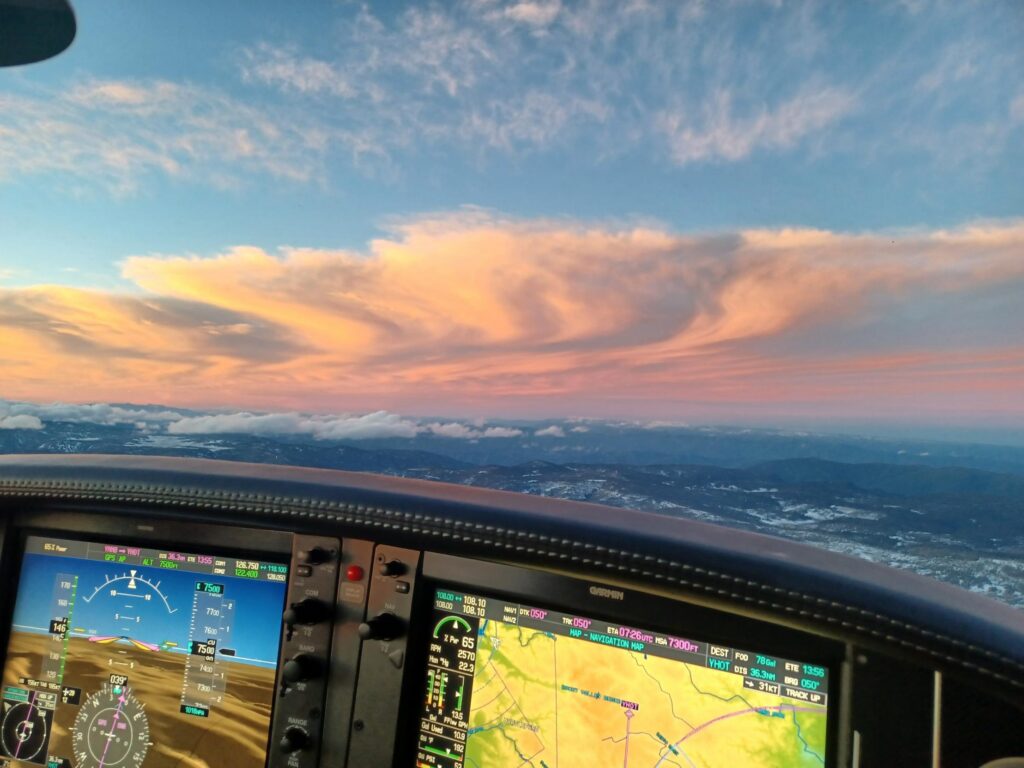
Becoming a pilot can mean very different things depending on what you eventually want to do with an aircraft.
You might want to learn to fly recreationally on weekends.
You might want a Private Pilot Licence so you can carry passengers and use an aircraft for private travel.
Or you might be looking at aviation as a career, with the goal of becoming a commercial, charter or airline pilot.
Each of these goals requires a different level of training.
In Australia, pilot licensing is regulated by the Civil Aviation Safety Authority (CASA). Becoming a pilot involves a combination of practical flight training, aviation theory, aeronautical experience and flight tests.
A typical progression can look like:
First Flight → RPL → PPL → CPL → Advanced Ratings → Professional Flying → ATPL
However, you do not necessarily need to complete every stage.
Someone who simply wants to fly recreationally may be satisfied with a Recreational Pilot Licence (RPL). Someone wanting broader private flying privileges may continue to a Private Pilot Licence (PPL). If the goal is to be paid to fly, the pathway progresses towards a Commercial Pilot Licence (CPL) and potentially additional ratings and qualifications.
That is why one of the most important decisions happens before your first lesson. You need to decide what kind of pilot you ultimately want to become.
So, what do you actually need to do to go from having no flying experience to becoming a pilot in Australia?
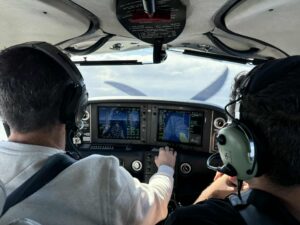
You do not need previous flying experience to start learning to fly.
Flight schools regularly train students who have never touched the controls of an aircraft.
The overall process generally involves:
The process becomes progressively more advanced.
Your first lessons might involve learning how the controls affect the aircraft.
Later, you may be planning cross-country flights, interpreting weather, navigating between airports and managing the entire flight yourself.
If you are pursuing aviation professionally, the training continues beyond that into commercial operations, instrument flying and potentially multi-engine and multi-crew operations.
No.
You can begin flight training with zero aviation experience.
Your instructor will progressively introduce the aircraft, controls, procedures and aviation knowledge required.
Not necessarily.
You can start learning to fly without committing to an entire professional career. However, knowing your long-term goal can help you make better decisions about your:
If you think you may eventually become a commercial pilot, it is worth telling your flight school from the beginning.
Before comparing flight schools or aircraft, decide what you actually want flying to allow you to do.
There are several broad pathways.
If you primarily want to fly locally for enjoyment, an RPL may provide the level of qualification you need.
A broad pathway might be:
Zero Experience → Flight Training → RPL
From there, you can continue training if your goals expand.
A Private Pilot Licence provides broader private flying privileges.
It is suited to pilots who want to:
A common progression is:
Zero Experience → RPL → Navigation Training → PPL
If you want to be paid to fly, you need to progress towards commercial privileges. Potential commercial aviation pathways include:
The broader progression becomes:
Zero Experience → RPL/PPL → CPL → Additional Ratings → Professional Flying Airline Pilot
Becoming an airline pilot involves more than simply receiving a CPL. The pathway may eventually involve:
CPL → Instrument/Multi-Engine Training → Professional Experience → Airline Operations → ATPL/Command
The exact route varies considerably between pilots and employers.
A student wanting to fly privately on weekends may make very different training decisions from someone planning a professional aviation career.
Your end goal can influence:
You do not need every answer before lesson one.
But you should have an idea of where you want flying to take you.
The main licences a new aeroplane pilot will hear about are the RPL, PPL, CPL and ATPL.
Licence Main Purpose Paid Flying? Typical Goal RPL Recreational/local flying No Recreation PPL Broader private flying No Private travel CPL Commercial flying Yes, subject to privileges Professional career ATPL Advanced professional operations Yes Airline command
These licences represent different levels of qualification and privileges.
They should not be viewed simply as four courses that everyone needs to complete. A recreational pilot might stop at RPL.
A private aircraft owner might primarily use a PPL and add relevant ratings. A career pilot will progress further.
The Recreational Pilot Licence is an early licensing milestone for many Australian pilots.
For an aeroplane RPL, CASA’s requirements include being at least 16 years old, completing the required training and theory, passing the flight test and completing at least 25 hours of flight time, including a minimum of 20 hours dual and 5 hours solo.
An RPL allows a pilot to fly a light single-engine aircraft as pilot in command without instructor supervision, subject to the licence’s privileges and any applicable endorsements or limitations.
An RPL can allow you to begin operating independently rather than always flying under instructor supervision.
However, the RPL has limitations.
Additional endorsements can expand privileges in areas such as:
For someone whose main goal is recreational flying, an RPL may provide the level of flying they want.
Yes.
Holding an RPL makes you a licensed pilot.
The real question is whether its privileges match what you want to do. If you want broader cross-country private flying, you may continue towards a PPL. If you want a professional aviation career, you will need to progress further.
A Private Pilot Licence provides broader privileges than an RPL and is a major milestone for pilots who want to use an aircraft for private travel.
PPL training develops your ability to manage an entire flight rather than simply operate the aircraft locally.
That includes areas such as:
For aeroplane training, the applicable minimum aeronautical experience depends on whether you complete an integrated or non-integrated training course.
Subject to the applicable ratings, aircraft qualifications and operating requirements, a PPL can allow you to:
For many recreational pilots, the PPL is the point where flying becomes substantially more useful for private travel.
No.
A PPL is for private operations.
If your goal is to receive remuneration for flying, you need to progress towards commercial privileges.
A Commercial Pilot Licence is the major licensing step for someone who wants to fly professionally.
CPL training requires more advanced theoretical knowledge and significantly more aeronautical experience than private flying.
You must be at least 18 to obtain a CPL.
Depending on the training pathway, an aeroplane CPL can involve either a 150-hour integrated course or the higher aeronautical experience requirement associated with non-integrated training.
A CPL can form the foundation for careers in areas such as:
However, many jobs require qualifications beyond the CPL itself.
No.
A CPL provides commercial pilot privileges, but it does not guarantee employment. Employers can consider:
Think of the CPL as a professional qualification rather than an employment guarantee.
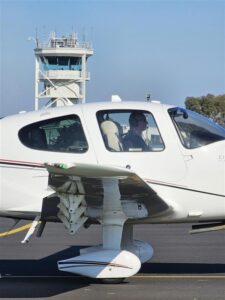
The Air Transport Pilot Licence sits much later in the professional pilot pathway. It is associated with advanced airline operations and command privileges. A new student does not begin flight training by completing an ATPL.
The progression is much longer:
Student Pilot → CPL → Advanced Ratings → Professional Experience → Airline Operations → ATPL/Command
CASA requires an applicant to be at least 21 years old for an ATPL.
By the time a pilot reaches this stage, they have progressed well beyond the skills required simply to obtain their first pilot licence.
The easiest way to understand the main licences is to compare what they are designed to achieve.
Factor RPL PPL CPL Minimum age 16 17 18 Main purpose Recreation Private flying Professional flying Paid flying No No Yes Cross-country flying More limited initially Major component Advanced Passengers Subject to privileges Yes, subject to requirements Yes Typical next step PPL Ratings/CPL Professional pathway
There is no universally “best” licence.
There is only the licence that matches what you want to do.
If you want to fly locally for recreation, an RPL may be enough.
If you want broader private travel, consider a PPL.
If you want flying to become your career, you will need to progress towards a CPL.
The minimum age depends on the licence.
RPL
You must be at least 16 years old to obtain an RPL.
PPL
You must be at least 17 years old to obtain a PPL.
CPL
You must be at least 18 years old to obtain a CPL.
ATPL
You must be at least 21 years old to obtain an ATPL.
The age at which you can begin learning and the age at which you can obtain a particular licence are not necessarily the same thing.
This is why younger students should discuss their training plan with a flight school rather than simply waiting until the licence-issue age before enquiring.
For someone learning later in life, medical eligibility and the ability to meet the required training standard are more important considerations than assuming there is a universal cut-off age.
Recreational and private flying can therefore be accessible to people who begin aviation much later than traditional career students.
CASA pilot licensing and school or university admission are separate things.
The requirements for obtaining a pilot licence should not be confused with the entry requirements imposed by:
If you are pursuing a professional career, check the requirements of both your flight-training pathway and the employers you may eventually target.
There is no reason to assume that one school’s entry requirements apply universally across Australian aviation.
Pilot licensing and university qualifications are different.
There are multiple ways to undertake aviation training, including:
A university pathway may suit some students, while others prefer to complete their flight training directly through a flight school.
If your long-term goal is airline employment, distinguish between what CASA requires for your pilot licence and what a particular employer requires during recruitment.
You need to be comfortable using practical mathematics, but learning to fly is not reserved for people who are exceptional mathematicians.
Aviation calculations can involve:
Much of the mathematics is applied to practical situations.
For example:
If the aircraft’s groundspeed changes, how will that affect your estimated arrival time?
If you expect to burn a certain amount of fuel per hour, how much fuel will you need for the flight?
The important skill is being able to understand and correctly apply the calculations relevant to the flight.
Aviation relies heavily on clear communication.
Pilots use English for:
CASA has applicable English-language proficiency requirements, including requirements associated with aeronautical radio use.
Having English as a second language does not automatically prevent you from becoming a pilot.
You will, however, need to meet the applicable aviation English requirements for your licence and operations.
The key issue is being able to communicate clearly and safely in the aviation environment.
Medical requirements are an important part of becoming a pilot.
The exact medical requirement depends on the licence and privileges you intend to exercise. This is particularly important for anyone considering aviation as a career.
There is little value in spending a large amount of money pursuing professional training without understanding whether you can meet the medical requirements associated with the privileges you eventually want to exercise.
An aviation medical assesses whether you meet the medical standard applicable to your aviation activities.
Depending on the medical and individual circumstances, assessment may involve areas such as:
Some aviation medical examinations are conducted through a Designated Aviation Medical Examiner.
Early.
You do not necessarily need to make medical administration the first thing you ever do in aviation, but if your intention is professional flying, it is sensible to establish your medical position before investing heavily in the pathway.
To exercise CPL privileges, the normal requirement is a current Class 1 medical certificate, unless an applicable exemption applies.
This makes medical planning particularly important for prospective career pilots.
If your clear goal is commercial or airline flying, obtaining appropriate medical clarity early is sensible.
You want to understand your eligibility before committing significant time and money to a professional training pathway.
An Aviation Reference Number, commonly called an ARN, is an identifying number used by CASA.
It becomes relevant throughout your aviation administration, including areas such as:
Early in your training.
It is one of the administrative steps that is worth organising before you reach the stages where it becomes necessary for exams or licensing processes.
ASIC stands for Aviation Security Identification Card.
It is associated with security-controlled areas of Australian airports.
A person does not necessarily need an ASIC simply because they want to take their first flying lesson.
Whether you eventually require one depends on factors such as:
If your aviation activities require access to secure areas, it may become relevant later in your pathway.
Choosing a flight school is one of the most important decisions you will make during training.
Do not simply search for the lowest advertised hourly rate.
Compare the complete training environment.
Consider:
One particularly important consideration is availability.
A low aircraft rate is not particularly useful if you cannot consistently book the aircraft or instructor.
Don’t Choose a Flight School on Hourly Rate Alone
The cheapest hourly rate does not automatically produce the cheapest licence. Consider total training efficiency.
If irregular availability causes you to repeatedly revise previous lessons, your total flight time can increase.
Ask what the complete pathway is likely to look like, not just what one hour costs.
For someone who has never flown a light aircraft, a Trial Introductory Flight can be a useful first step.
It allows you to:
It can also make the idea of “becoming a pilot” much more tangible.
Instead of researching a career you have never experienced, you get inside the aircraft and actually fly.
Not necessarily.
A proper introductory training flight is different from simply sitting in an aircraft while someone takes you sightseeing.
The objective is to introduce you to the flying and training environment.
Training aircraft can range from traditional trainers through to modern glass-cockpit and technically advanced aircraft.
Examples across the training industry include aircraft such as:
The best aircraft depends partly on what you want to achieve.
Yes.
Aircraft choice can influence:
That does not mean the most advanced aircraft is automatically the best choice for every student.
It can be worth considering.
If you know you eventually want to operate modern technically advanced aircraft, learning in a modern cockpit may have advantages.
If your priority is completing fundamental training economically, another aircraft may better match that objective.
Aircraft choice should support the overall goal.
Your first lesson is normally much more structured than simply getting into an aircraft and taking off.
A broad lesson flow might look like:
Briefing → Pre-flight Inspection → Aircraft → Instructor Demonstration → Student Practice → Debrief
Before the flight, your instructor explains what you will be learning.
At the aircraft, you begin learning how pilots inspect and prepare an aircraft for flight.
Once airborne, your instructor demonstrates particular exercises and progressively gives you more control.
After landing, you review what happened and what needs to improve.
Over time, the instructor does less and you do more.
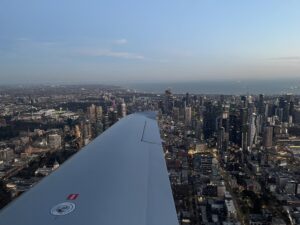
Flight training is progressive.
Basic Aircraft Handling
Early lessons introduce skills such as:
Take-Offs and Landings
You then spend significant time learning circuits.
This combines:
Emergency Procedures
You learn how to respond when things do not go according to plan.
Radio Communication
You progressively develop the ability to communicate while managing the aircraft.
Navigation
Later training introduces planning and conducting flights away from your local area.
Solo Flying
Eventually, once you meet the required standard and applicable requirements, your instructor can authorise you to operate without them in the aircraft.
There is no useful universal promise such as:
“You will go solo after exactly X hours.”
Students progress at different rates.
Before authorising a student for solo flight, the instructor needs confidence that the student can safely manage the aircraft and applicable procedures without assistance.
That includes areas such as:
Is First Solo the Same as Getting Your Pilot Licence?
No.
Your first solo is an important milestone, but it occurs relatively early in the broader development of a pilot.
After first solo, there is still substantial training ahead.
After first solo, you continue consolidating your skills.
A broad progression may look like:
First Solo → Consolidation → RPL → Navigation → PPL → CPL The exact pathway depends on your training program and final goal.
As you progress, the focus moves from simply controlling the aircraft towards managing complete flights.
You take increasing responsibility for:
This increasing independence is a major part of becoming a pilot.
Learning to fly is not only practical.
Pilots need theoretical knowledge in areas such as:
The theory has direct practical application.
Meteorology helps you determine whether conditions are suitable.
Navigation helps you plan and conduct cross-country flights.
Aircraft performance helps you understand what the aircraft can safely do.
Air law helps you operate legally.
Human factors helps you understand how people make mistakes and how to manage those risks.
Because a pilot does far more than move the controls.
The further you progress, the more responsibility you have for deciding whether and how a flight should be conducted.
The theory requirements become progressively more advanced as you move through the licensing system.
RPL Theory
The RPL stage includes the knowledge required for recreational operations.
PPL Theory
PPL theory develops the knowledge required for broader private and cross-country flying.
CPL Theory
Commercial pilot training requires a substantially deeper theoretical knowledge base. For aeroplane CPL training, the subjects include areas such as:
They require serious preparation.
Commercial theory should be treated as a substantial part of professional pilot training rather than something to leave until the end.
For many students, studying theory alongside practical flying helps connect the classroom material to real operations.
Consistency is one of the most important factors in efficient flight training.
Where practical, regular weekly training provides much better continuity than flying once and then waiting several weeks for the next lesson.
Students able to train two or three times per week may achieve even greater continuity. That does not mean everyone must train at that frequency.
The right schedule is one you can realistically maintain.
Why Does Training Frequency Matter?
Long gaps can create a pattern like:
Learn → Gap → Forget → Revise → Continue
Regular training is more likely to produce:
Learn → Practise → Consolidate → Progress
Every student occasionally needs revision.
The objective is to avoid repeatedly spending expensive aircraft time relearning skills simply because too much time passed between lessons.
Yes.
Part-time flight training can be structured around employment.
Students may use:
The main challenge is maintaining consistency.
Weather cancellations also need to be considered.
If you can only ever fly in one narrow time slot each week, poor weather can create larger gaps.
Full-Time Part-Time
Higher training frequency Greater flexibility
Faster potential completion Easier around employment
Larger short-term commitment Longer calendar timeframe
Structured routine Requires deliberate consistency
Neither approach is automatically better.
The right choice depends on your goals, work, finances and availability.
Students pursuing professional qualifications may encounter different training structures. An integrated pathway generally follows a highly structured approved course.
A modular or non-integrated approach can provide greater flexibility to progress through training in stages.
Broadly:
Integrated
Non-integrated/modular
Which Pilot Training Pathway Is Better?
It depends on:
Do not choose solely because one pathway has a lower regulatory minimum number of hours. Consider which program you can realistically complete effectively.
There is no single answer because “becoming a pilot” can mean obtaining several different licences.
For aeroplane training, the broad minimums discussed in the training pathway are:
Licence/Pathway Minimum Aeronautical Experience
RPL 25 hours
PPL non-integrated 40 hours
PPL integrated 35 hours
CPL integrated 150 hours
CPL non-integrated 200 hours
The critical word is minimum.
Minimum aeronautical experience is not a guaranteed completion time. A student still needs to reach the required competency standard.
CASA itself notes that an average PPL student may qualify after approximately 55–60 hours rather than exactly at the regulatory minimum.
Factors include:
Do not build your entire budget around the assumption that you will finish at the minimum.
The answer depends on which pilot licence you are trying to obtain and how frequently you train.
RPL
An RPL can potentially be completed over several months with consistent training.
PPL
CASA indicates that an average student may qualify after around 55–60 flying hours.
Someone flying roughly one hour each week could therefore take around a year or more, while intensive full-time training can be considerably faster.
CPL
For an integrated 150-hour CPL course, CASA indicates full-time training may take around 12 months.
A more flexible non-integrated pathway can take considerably longer.
Common factors include:
Instead of asking only:
“How quickly can I finish?”
also ask:
“What training frequency can I realistically sustain?”
There is no universal price for becoming a pilot in Australia.
The total depends heavily on what qualification you are trying to achieve. Major variables include:
How Much Does an RPL Cost?
The RPL is generally the shortest of the main aeroplane licensing pathways, but total cost still depends on the aircraft, training rate and number of hours actually required.
Do not calculate your budget using only the regulatory minimum.
How Much Does a PPL Cost?
PPL costs can vary substantially.
Aircraft choice alone can move the total cost by tens of thousands of dollars.
A student training in a lower-cost traditional trainer will have a very different budget from someone choosing a higher-performance technically advanced aircraft.
There is no useful universal maximum price for an Australian PPL.
How Much Does a CPL Cost?
Commercial training is a much larger financial commitment because of the additional flight experience and theory required.
The eventual career pathway may also involve further expenditure on:
This is why a prospective commercial student should understand the complete professional pathway, not merely the advertised CPL component.
The Better Question to Ask a Flight School
Ask:
“What does a typical student spend from zero experience until reaching my intended qualification in the aircraft and training pathway I intend to use?”
That gives you a much more useful figure than an hourly aircraft rate.
Two students can both obtain the same licence and spend very different amounts. Variables include:
One of the largest variables is aircraft choice.
A more expensive aircraft does not necessarily mean poor value if that aircraft matches your future flying goals.
Likewise, a lower hourly rate does not automatically mean the entire course will be cheaper.
Why the Cheapest Aircraft Rate Isn’t Necessarily the Cheapest Pathway
Imagine one school has a cheaper aircraft but limited availability.
You fly irregularly and repeatedly spend part of each lesson revising.
Another school may charge more per hour but allow you to train consistently. The correct comparison is:
Total cost to reach the required standard
not:
Cheapest advertised hourly rate
Yes.
Simulator training can complement real aircraft training in areas such as:
One of the major advantages is the ability to repeat an exercise efficiently. For example, an instrument procedure can be:
Practised → Reset → Debriefed → Repeated
without needing to reposition a real aircraft every time.
Can Simulator Hours Count?
Some approved simulator training can contribute towards applicable training or aeronautical experience requirements.
However, not every simulator session is automatically creditable.
The simulator, course and applicable CASA requirements matter.
Simulator training is best thought of as a way to make your overall training more effective rather than as a replacement for real flying.
Flight tests assess whether you can operate to the standard required for the licence or rating.
Depending on the test, areas may include:
The test is not simply about demonstrating that you can physically control the aircraft. You need to demonstrate that you can manage the flight.
When Are You Ready for the Flight Test?
When you consistently meet the required standard and your instructor considers you ready for the test.
Reaching the minimum number of hours does not automatically mean you are ready.
Hours make you eligible. Competency makes you ready.
What happens next depends on which flight test you passed.
Broadly:
RPL holder → RPL privileges / PPL training
PPL holder → Private flying / advanced ratings / CPL training
CPL holder → Additional ratings / professional experience / employment Obtaining a licence does not mean training ends permanently.
Pilots continue learning throughout their flying careers.
Holding a licence and being able to exercise particular privileges are not always the same thing.
Pilots need to consider applicable requirements relating to areas such as:
The requirements depend on the flying you intend to do.
Current vs Proficient
This is an important distinction.
Current means you meet the applicable regulatory requirements.
Proficient means you are genuinely capable and comfortable performing the operation.
A pilot can technically satisfy a recency requirement while still deciding that additional training would be sensible before carrying passengers or undertaking a demanding flight.
Good pilots consider both.
If your goal is private flying, the broad pathway is:
Start Training → Organise Medical/Admin → Study Theory → Build Flying Skills → First Solo → Navigation Training → PPL Theory → Flight Test → PPL
The PPL is particularly suited to people who want to:
You do not need to become a commercial pilot simply because you want substantial flying capability.
For many people, the PPL is the primary licence they need.
If your goal is to be paid to fly, you need to progress towards a CPL.
A broad pathway is:
Zero Experience → Initial Flight Training → Private-Pilot-Level Skills → CPL Theory → Build Required Experience → CPL Flight Test → CPL
The exact pathway differs between integrated and non-integrated training. You should also think beyond the CPL.
Ask what qualifications employers in your intended sector generally require. Depending on the career, you may later need:
The CPL is the beginning of professional flying rather than the end of professional development.
Becoming an airline pilot is a longer process than simply completing a flight-training course. A broad Australian pathway might look like:
Learn to Fly → CPL → Instrument/Multi-Engine Training → Build Experience → Airline Opportunity → Further Experience → ATPL/Command
There are different entry pathways into airline operations, and recruitment conditions change over time.
Some pilots build experience through flight instruction.
Others may work in charter, regional aviation or other commercial operations. Do You Go Straight From CPL to an Airline?
Not necessarily.
A CPL gives you commercial privileges, but individual airlines determine their own recruitment requirements.
These may include particular levels or types of:
Do not choose a training program based solely on a promise that one licence automatically leads to an airline seat.
There is no single set of additional qualifications that every commercial pilot needs. It depends on the work you want to do.
Instrument Rating
An Instrument Rating allows appropriately qualified pilots to operate under instrument flight rules within the privileges of the rating.
It is highly relevant to many professional aviation pathways.
Multi-Engine Training
Pilots intending to operate applicable multi-engine aircraft require the relevant qualification.
Flight Instructor Rating
Pilots who want to work as flight instructors need an instructor qualification and applicable training endorsements.
ATPL Theory
Pilots progressing towards advanced airline careers may later complete ATPL theoretical requirements.
Does Every Commercial Pilot Need the Same Ratings?
No.
A flight instructor, charter pilot and airline pilot may follow quite different pathways after receiving a CPL.
Work backwards from the job you eventually want.
A CPL can form the foundation for several aviation careers.
Potential areas include:
However, the CPL alone does not automatically make you eligible for every commercial pilot job.
Specific roles may require:
Think of the CPL as unlocking the ability to pursue commercial flying rather than guaranteeing access to every commercial role.
Yes.
Flight instruction is one potential professional pathway after obtaining the appropriate commercial and instructor qualifications.
An instructor rating requires additional training beyond simply holding a CPL. Flight instruction can provide experience in:
It is one potential route into professional aviation, but it is not the only route.
You should pursue instructing because it suits your skills and interests rather than treating students simply as a way to accumulate hours.
Charter is another potential commercial aviation pathway.
A CPL is part of the qualification foundation, but charter employers may also look for:
Requirements vary between operators and roles.
Holding a CPL therefore does not automatically mean you can immediately operate every charter aircraft or service.
As pilots progress professionally, total experience becomes increasingly important. Flight hours can be built through genuine aviation activities such as:
The objective should not simply be to make the number in the logbook increase. Professional flying develops experience in:
The quality and relevance of experience can matter alongside the total number of hours.
There is no guaranteed timeline.
Reaching airline command involves far more than completing initial flight school. The progression can involve:
Recruitment and promotion also depend on the airline and industry conditions.
Is 1,500 Hours the Point You Automatically Become a Captain?
No.
A pilot does not automatically become an airline captain because their logbook reaches a particular number.
Command involves licensing requirements, relevant experience, aircraft qualifications, operator requirements, training and demonstrated competency.
Hour totals are only one part of the picture.
Pilot recruitment changes over time.
Aviation employment is affected by:
Long-term aviation forecasts can indicate future demand, but no forecast should be interpreted as a guarantee that an individual student will receive a particular job after training.
If you are considering aviation professionally, focus on building qualifications and experience that give you options across the industry.
Learning to fly is challenging, but the difficulty is progressive.
You do not need commercial-pilot-level knowledge during your first lesson. You learn one skill and then build on it.
The progression looks more like:
Lesson → Skill → Practice → Solo → Licence → Experience → Advanced Training Challenges can include:
Some parts will come naturally.
Others may require significant repetition.
The important factor is not whether every lesson is easy.
It is whether you can continue learning and consistently improve.
Being a good pilot is not simply about natural hand-eye coordination. Important qualities include:
One of the most valuable traits is recognising when you do not know something.
A pilot who continues learning, prepares properly and makes conservative decisions can develop much further than someone who relies purely on natural ability.
Efficient training does not mean rushing.
It means making each lesson productive.
Ways to improve training efficiency include:
If tomorrow’s lesson is circuits, arrive already understanding the circuit sequence and relevant procedures.
Do not spend expensive aircraft time learning information you could have prepared on the ground.
The goal is not to complete the fewest possible hours. The goal is to become competent efficiently.
Several mistakes can make flight training more difficult or expensive than necessary.
Choosing a School Solely on Hourly Rate
Compare total training value and availability.
Assuming Minimum Hours Equal Completion Hours
They do not.
Minimum experience requirements establish regulatory thresholds, not guaranteed completion points.
Flying Too Infrequently
Long gaps can create unnecessary revision.
Delaying Theory
Theory becomes much easier to understand when it develops alongside practical flying.
Ignoring Medical Requirements Until Late
This is particularly risky for students planning professional careers.
Choosing a Pathway Without Considering the Final Goal
Think beyond your next licence.
Budgeting Only for Minimum Hours
Build a realistic contingency into your training budget.
Assuming a CPL Guarantees Employment
A licence provides qualifications and privileges.
Employers still decide who they hire.
Before committing to a school, ask:
Tell the school exactly what you ultimately want to achieve and ask:
“If my end goal is private flying, commercial flying or the airlines, what does the complete pathway from my first lesson to that goal look like?”
A good answer should explain more than the price of the first course.
If you are starting from zero experience, the complete process can be simplified into 15 steps.
Step 1: Decide Why You Want to Fly
Is the goal recreational, private or professional?
Step 2: Take an Introductory Flight
Experience actual flight training before making a major commitment.
Step 3: Check Your Eligibility
Understand the age, English, administrative and other requirements applicable to your pathway.
Step 4: Organise Your Medical
Determine which medical is appropriate, particularly if professional flying is your goal.
Step 5: Choose a Flight School
Compare aircraft, instructors, availability, training structure and complete pathway costs.
Step 6: Start Flight Training
Learn fundamental aircraft handling and procedures.
Step 7: Start Theory
Study aviation knowledge alongside practical flying.
Step 8: Work Towards First Solo
Develop the competency required to safely operate without your instructor in the aircraft.
Step 9: Complete Your Initial Licence Stage
For many students, this may involve progressing through the RPL stage.
Step 10: Progress to PPL
If you want broader private flying privileges, continue into navigation and PPL training.
Step 11: Complete CPL Theory and Training
If professional flying is your goal, progress towards the commercial standard and required aeronautical experience.
Step 12: Pass Your CPL Flight Test
Demonstrate the required commercial pilot competency.
Step 13: Add Relevant Ratings
Depending on your career, this may include instrument, multi-engine or instructor training.
Step 14: Build Professional Experience
Develop relevant operational experience through appropriate aviation employment.
Step 15: Progress Towards Your Long-Term Goal
That might ultimately be:
There is no single destination that defines success as a pilot.
The correct pathway is the one that gets you to the type of flying you actually want to do.
How long does it take to become a pilot?
It depends on which licence you want and how frequently you train.
A recreational or private pilot can potentially qualify much sooner than someone pursuing a complete commercial or airline pathway. Full-time training can substantially reduce calendar time, while part-time training provides more flexibility.
Consistency is one of the biggest factors.
How much does it cost to become a pilot in Australia?
There is no single price.
The total depends on the licence, aircraft, hourly rate, number of hours required, theory, exams, medicals, flight tests and any advanced ratings.
If you are pursuing aviation professionally, ask for an estimate of the complete pathway rather than only the cost of obtaining the first licence.
What qualifications do you need to become a pilot?
It depends on the flying you want to do.
An RPL may suit recreational flying, while a PPL provides broader private privileges. If you want to be paid to fly, you will need commercial privileges through a CPL. Airline careers generally require additional qualifications and experience beyond the CPL.
Can you become a pilot without going to university?
Pilot licensing and university qualifications are separate.
Students can undertake flight training through dedicated flight schools as well as aviation-related tertiary programs.
If your goal is professional aviation, check both CASA licensing requirements and the recruitment requirements of employers you may eventually target.
What is the fastest way to become a commercial pilot?
There is no shortcut around competency and licensing requirements.
A structured, consistent training program can reduce unnecessary delays. Full-time integrated training may provide a faster calendar pathway for some students, while a flexible non-integrated pathway may better suit people who need to work while training.
The fastest theoretical pathway is not necessarily the best pathway for every student.
Becoming a pilot in Australia starts with deciding what kind of flying you want to do. If the goal is recreational flying, your pathway may stop at an RPL.
If you want broader private flying and cross-country travel, you may progress to a PPL.
If you want aviation to become your profession, you will need to continue towards a CPL and then complete the additional training and experience relevant to your intended career.
The complete pathway can broadly be summarised as:
Decide Your Goal → Check Eligibility → Medical → Choose a Flight School → Learn to Fly → First Solo → RPL/PPL → CPL → Advanced Ratings → Professional Experience
The most important thing to understand is that becoming a pilot is not simply about accumulating a particular number of hours.
Minimum hours do not guarantee completion.
A CPL does not guarantee employment.
The cheapest hourly rate does not guarantee the cheapest training pathway. And becoming an airline pilot involves much more than simply completing a CPL.
Good flight training progressively develops your ability to control an aircraft, understand aviation theory, manage complete flights and make sound decisions without relying on an instructor sitting beside you.
You can start that process with absolutely no flying experience.
You just need to know where you ultimately want flying to take you, then build the skills, knowledge, licences and experience required to get there.
How to Become a Pilot: Frequently Asked Questions How long does it take to become a pilot in Australia?
It depends on the licence you want and how frequently you train.
Someone working towards an RPL or PPL may complete training over several months to a year or more, depending on consistency, weather, aircraft availability and individual progress. A commercial pathway normally takes longer because it requires more flight experience, theory and testing.
Full-time training can reduce the overall calendar time, while part-time training provides more flexibility around work or study.
How much does it cost to become a pilot in Australia?
There is no single fixed cost.
The total depends on factors such as:
The best question to ask a flight school is:
“What does a typical student spend from zero experience until reaching the qualification I want in the aircraft and training pathway I intend to use?”
What qualifications do you need to become a pilot?
The qualifications depend on the type of flying you want to do.
An RPL may suit recreational flying, while a PPL provides broader private flying privileges. If you want to be paid to fly, you will need to progress towards a CPL.
Pilots pursuing airline or other professional careers may then require additional training such as instrument, multi-engine or instructor qualifications, along with further flight experience.
Can you become a pilot without going to university?
Pilot licensing and university qualifications are separate.
You can complete pilot training through a flight school without necessarily completing an aviation degree. However, individual airlines, employers, universities and training organisations may have their own education or entry requirements.
If your goal is professional aviation, check both the CASA licensing pathway and the requirements of the employers you may eventually want to work for.
What is the fastest way to become a commercial pilot?
The most efficient approach is usually to train consistently through a structured pathway rather than looking for a shortcut.
Regular flying, completing theory alongside practical training, preparing before lessons and avoiding long gaps can all improve training efficiency.
Full-time integrated training may provide a shorter calendar pathway for some students, while flexible training may be more practical for someone working or studying at the same time.
Regardless of the pathway, you still need to complete the required training, aeronautical experience, theory and flight test to the appropriate standard.